What's the difference between niche and designer perfume? Is niche fragrance worth the price? Your complete guide to understanding both worlds
If you've spent any time exploring the world of fragrance, you've almost certainly come across the term "niche perfume." Maybe a fragrance enthusiast mentioned it, maybe you saw it on TikTok, or maybe you stumbled across a bottle with a price tag that made you do a double take and wonder what on earth makes it worth that much.
Niche perfume is one of the most talked-about topics in the fragrance community — and one of the most misunderstood. Is it just expensive for the sake of it? Is designer perfume inferior? And where do you even start if you want to explore beyond the department store counter?
This is your complete guide to understanding niche vs designer perfume — what separates them, which is right for you, and how to explore both worlds without spending a fortune.
What Is Designer Perfume?
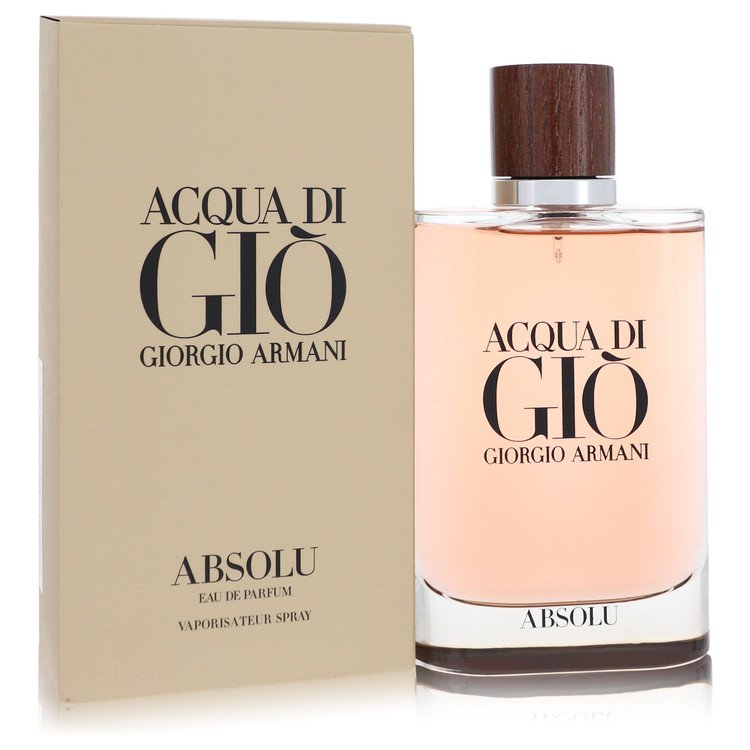
Designer perfume refers to fragrances produced by luxury fashion and lifestyle brands — the names you'd recognise from department store counters and duty-free shops worldwide. Think Chanel, Dior, Gucci, YSL, Giorgio Armani, Versace, Calvin Klein and Prada.
These brands are primarily fashion houses. Fragrance is an important part of their business — often a highly profitable one — but it exists alongside clothing, accessories, handbags and cosmetics. The fragrance is an extension of the brand identity, designed to appeal to the broadest possible audience and sell in the highest possible volumes.
Designer fragrances are typically:
- Widely available in department stores, duty-free and online
- Priced between $80 and $350 AUD for a standard bottle
- Developed by contracted perfumers working within strict commercial briefs
- Produced in very large volumes
- Marketed heavily through celebrity endorsements and advertising campaigns
- Designed to be immediately appealing and broadly wearable
What Is Niche Perfume?
Niche perfume refers to fragrances produced by independent or specialist fragrance houses whose sole focus is perfumery. These are brands built entirely around the art and craft of scent — not fashion, not accessories, not cosmetics. Just fragrance.
Niche houses typically:
- Produce fragrance as their only or primary product
- Work with perfumers who have greater creative freedom
- Use higher quality, rarer and more expensive raw ingredients
- Produce in smaller volumes
- Distribute through specialist retailers rather than mass-market department stores
- Price between $200 and $800+ AUD per bottle
- Target fragrance enthusiasts rather than the general public
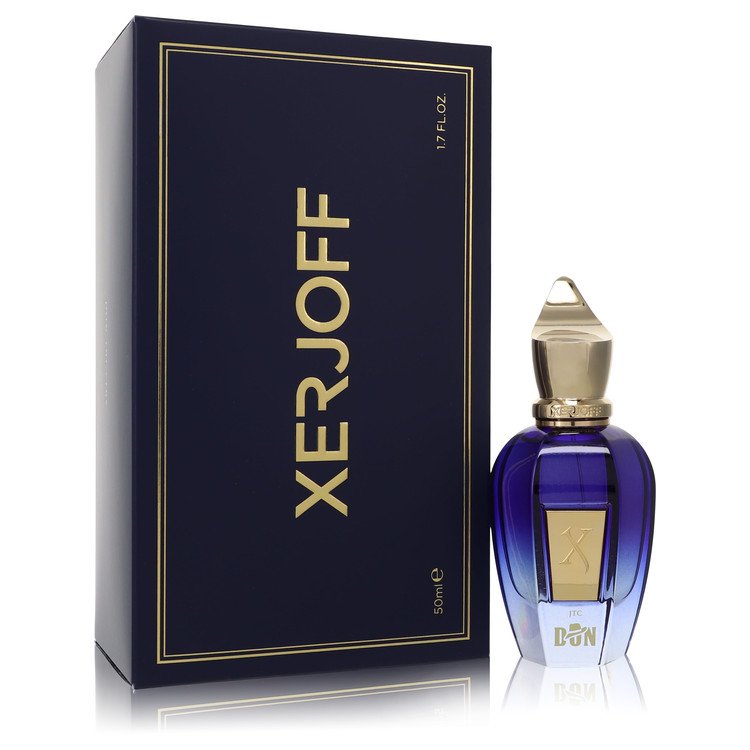
Well-known niche houses include Creed, Amouage, Byredo, Le Labo, Diptyque, Maison Francis Kurkdjian, Serge Lutens, Frederic Malle and Comme des Garçons Parfums — though the niche world is vast and constantly growing.
The Key Differences Explained
Ingredients
This is where the most significant real difference lies. Niche houses typically use higher concentrations of rarer, more expensive natural ingredients — genuine Bulgarian rose, real oud, Grasse jasmine, orris root, ambergris and other materials that are extraordinarily expensive to source.
Designer houses, constrained by the need to produce millions of bottles at accessible price points, typically rely more heavily on more widely available ingredients — which are not inherently inferior, but do produce a different character. The best commercial materials are genuinely impressive, but they cannot fully replicate the depth and complexity of the finest natural ingredients.
Creative Freedom
Designer fragrance is created within a commercial brief. The perfumer is typically given a target demographic, a price point for ingredients, a brief tied to the brand's seasonal collection and a market research report on what consumers currently want. The result is often beautiful — but it is inherently constrained by commercial considerations.
Niche perfumers typically have far greater creative freedom. Many niche houses are founded by perfumers themselves, or by passionate fragrance lovers who give their perfumers genuine latitude to create. The result can be challenging, unusual, polarising — and often genuinely extraordinary.
Exclusivity and Volume
A bestselling designer fragrance like Dior Sauvage or Chanel No. 5 is produced in millions of units annually and sold in thousands of outlets worldwide.
A niche fragrance from a house like Frederic Malle or Serge Lutens might sell a few thousand bottles annually, distributed through a handful of specialist retailers. The exclusivity is genuine — wearing a niche fragrance means you're unlikely to encounter someone wearing the same scent.
Longevity and Projection
Generally speaking, niche fragrances tend to have better longevity and more interesting development on skin — partly due to higher ingredient quality and partly due to higher fragrance concentrations. This isn't a universal rule, and many designer fragrances perform excellently, but it is a reliable general pattern.
The Experience
Buying a niche fragrance is a different experience to buying a designer one. Rather than being sprayed at by an enthusiastic department store assistant pushing the latest celebrity launch, niche fragrance shopping involves exploration, discovery and education. Sampling, trying decants, reading about perfumers and ingredients — it's a hobby as much as a purchase.
Is Niche Perfume Worth the Price?
This is the question everyone asks — and the honest answer is: it depends on what you value.
Niche is worth it if:
- You care deeply about ingredient quality and complexity
- You want to wear something genuinely unique that few others will recognise
- You enjoy the process of discovery and exploration
- You wear fragrance as a form of personal expression rather than just smelling nice
- You've exhausted the designer market and want something more
Designer is perfectly fine if:
- You want a reliable, well-made fragrance that works for any occasion
- Budget is a consideration
- You want something widely recognised and socially validated
- You're new to fragrance and still discovering what you love
The truth is that many of the world's best fragrance lovers wear both. A great designer fragrance is not inferior to niche — it's just different. Chanel No. 5, Dior Sauvage and YSL Black Opium are great fragrances because they're genuinely well-made, not just because they're popular.
How to Explore Niche Fragrance Without Spending a Fortune
The biggest barrier to exploring niche fragrance is obvious — the price. Spending $400 on a fragrance you've never smelled before is a significant risk, even for enthusiasts.
Here are the smartest ways to explore:
Try Decants First
A decant is a small sample — typically 2–10ml — taken from a full bottle of a niche fragrance. At Suga Pash, our decants collection lets you try niche fragrances for days or weeks before committing to a full bottle. It's the single smartest thing you can do when exploring niche perfume.
Start With Accessible Niche Houses
Some niche houses are more approachable than others for newcomers:
- Le Labo — clean, modern, beautifully made. Santal 33 is one of the most universally loved niche fragrances ever created
- Byredo — Scandinavian minimalism applied to fragrance. Bal d'Afrique and Gypsy Water are excellent entry points
- Diptyque — French elegance, widely regarded as one of the most accessible niche houses. Philosykos and Tam Dao are classics
- Maison Margiela Replica — positioned at the accessible end of niche, these scene-based fragrances are immediately relatable and beautifully executed
Explore Arabian Niche Houses
Dubai and Arabian fragrance houses represent extraordinary value in the niche world. Houses like Amouage produce fragrances that rival the very finest European niche perfumers — at prices that are high by designer standards but genuinely competitive within the niche category. Meanwhile brands like Lattafa offer niche-adjacent complexity at truly accessible prices.
Follow Your Notes
Rather than buying by brand reputation, follow your nose. If you love vanilla, explore niche vanilla fragrances. If you're drawn to oud, go deep on Arabian houses. Starting with a note or scent family you already love makes the transition from designer to niche much more intuitive.
The Grey Area — Luxury Designer Lines
It's worth noting that the line between designer and niche has blurred significantly in recent years. Many designer houses now produce prestige or exclusive lines that occupy a middle ground:
- Chanel Les Exclusifs — Chanel's niche-adjacent collection, produced in smaller volumes with greater creative freedom
- Dior La Collection Privée — Dior's artisan collection featuring higher quality ingredients and more unusual compositions
- Tom Ford Private Blend — Tom Ford's exploration of niche territory, widely regarded as the bridge that introduced millions of designer fragrance lovers to the niche world
- Giorgio Armani Privé — Armani's exclusive collection with genuine niche credentials
These lines offer a gentler bridge from the designer world into niche territory — and are worth exploring if you love a designer house but want something more than their mainstream offering.
Niche vs Designer — A Quick Summary
| Designer | Niche | |
|---|---|---|
| Price | $80–$350 AUD | $200–$800+ AUD |
| Availability | Department stores, widely available | Specialist retailers |
| Ingredients | Good quality, mostly synthetic | Higher quality, more naturals |
| Creative freedom | Commercial brief | Greater artistic freedom |
| Volume | Mass production | Limited production |
| Uniqueness | Widely worn | Rarely encountered |
| Best for | Everyday wear, gifting, newcomers | Enthusiasts, collectors, connoisseurs |
Shop Niche and Designer Fragrances at Suga Pash
At Suga Pash we stock both worlds — from beloved designer classics to niche and Arabian house fragrances that will genuinely surprise and delight even experienced fragrance enthusiasts. And with our decants collection, you can explore the niche world without the full-bottle commitment.
👉 Shop Niche Fragrances
👉 Try niche decants before you commit
Final Thoughts
Niche vs designer isn't really a competition — it's a spectrum. The fragrance world is vast enough to contain both, and the most rewarding fragrance journey is one that explores freely across both worlds without prejudice.
What matters is finding fragrances that make you feel something — that become part of how you're remembered, how you feel when you walk into a room, how you mark the moments of your life. Whether that fragrance costs $80 or $800 is entirely secondary.
Start where you are. Explore what you love. And when you're ready to go deeper — Suga Pash will be here.
Published by Suga Pash | Melbourne, Australia